
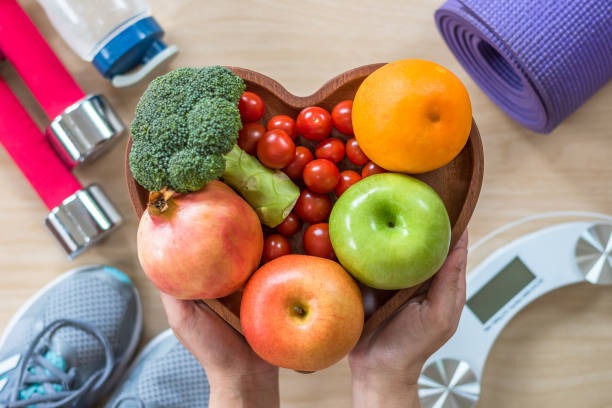
Making weight loss easier often begins with simple adjustments to one’s diet rather than drastic changes. Small, manageable modifications can lead to significant improvements in overall health and help maintain a sustainable approach to losing weight. One effective strategy is increasing the intake of whole foods such as fruits, vegetables, lean proteins, and whole grains. These foods are rich in nutrients and fiber, which promote satiety and reduce overeating by keeping you full for longer periods.
Another important adjustment involves paying attention to portion sizes. Many people consume more calories than they realize simply because their portions are larger than necessary. Using smaller plates or measuring servings can help control calorie intake without the need for complicated dieting rules. Additionally, being mindful while eating-such as chewing slowly and savoring each bite-can improve digestion and prevent unconscious snacking.
Reducing consumption of added sugars is also beneficial for weight loss efforts. Sugary drinks, snacks, and desserts contribute empty calories that do not provide lasting energy or nutritional value. Replacing these with healthier alternatives like water, herbal teas, or fresh fruit helps lower daily caloric intake without feeling deprived. Similarly, limiting processed foods high in unhealthy fats and sodium supports better metabolic function and reduces inflammation Visit Website that can hinder weight loss progress.
Incorporating protein-rich foods into every meal stabilizes blood sugar levels and curbs hunger pangs between meals. Protein requires more energy to digest compared to carbohydrates or fats, which slightly increases metabolism through a process called the thermic effect of food. This means that including sources like chicken breast, beans, tofu, fish, or low-fat dairy products can aid in burning more calories throughout the day.
Hydration plays a crucial role as well; drinking adequate water boosts metabolism slightly while helping distinguish true hunger from thirst signals that sometimes prompt unnecessary snacking. Starting meals with a glass of water may also reduce overall food consumption by creating a sense of fullness before eating.
Finally, planning meals ahead prevents impulsive food choices driven by convenience or stress-related cravings. Preparing balanced meals at home allows control over ingredients used while fostering healthier eating habits over time.
By making these simple yet impactful dietary adjustments-focusing on nutrient-dense foods, controlling portions mindfully, reducing added sugars and processed items alongside staying hydrated-weight loss becomes less challenging and more attainable without sacrificing enjoyment or satisfaction during mealtime experiences.


