Maintaining order in a residential building is crucial for ensuring a harmonious living environment. This involves a combination of well-defined rules, effective communication, and the cooperation of both residents and management. At the core of maintaining order is the establishment of clear guidelines that govern daily life within the building. These guidelines often include regulations regarding noise levels, pet ownership, waste disposal, and use of common areas. By setting these expectations from the outset, residents are aware of their responsibilities and can adjust their behavior accordingly.
A key element in upholding these rules is effective communication between building management and residents. Regular meetings or newsletters can serve as platforms for discussing any changes to policies or addressing concerns that may arise. Open lines of communication help to foster trust and cooperation among all parties involved. Additionally, having a designated point person such as a property manager can facilitate quick resolution of issues before they escalate into larger problems.
Enforcement mechanisms also play an essential role in maintaining order within residential buildings. In many cases, this involves implementing penalties for rule violations to deter unwanted behavior. For instance, fines might be imposed on those who consistently disregard noise restrictions or fail to properly dispose ролята на управлението в етажната собственост of trash. However, enforcement should always be balanced with fairness; it is important for management to investigate complaints thoroughly before taking action.
Moreover, fostering a sense of community among residents can greatly contribute to maintaining order. When individuals feel connected to their neighbors and take pride in their living environment, they are more likely to adhere to established guidelines voluntarily. Organizing social events or community-building activities can encourage interaction among residents and create a supportive atmosphere where everyone feels invested in upholding shared standards.
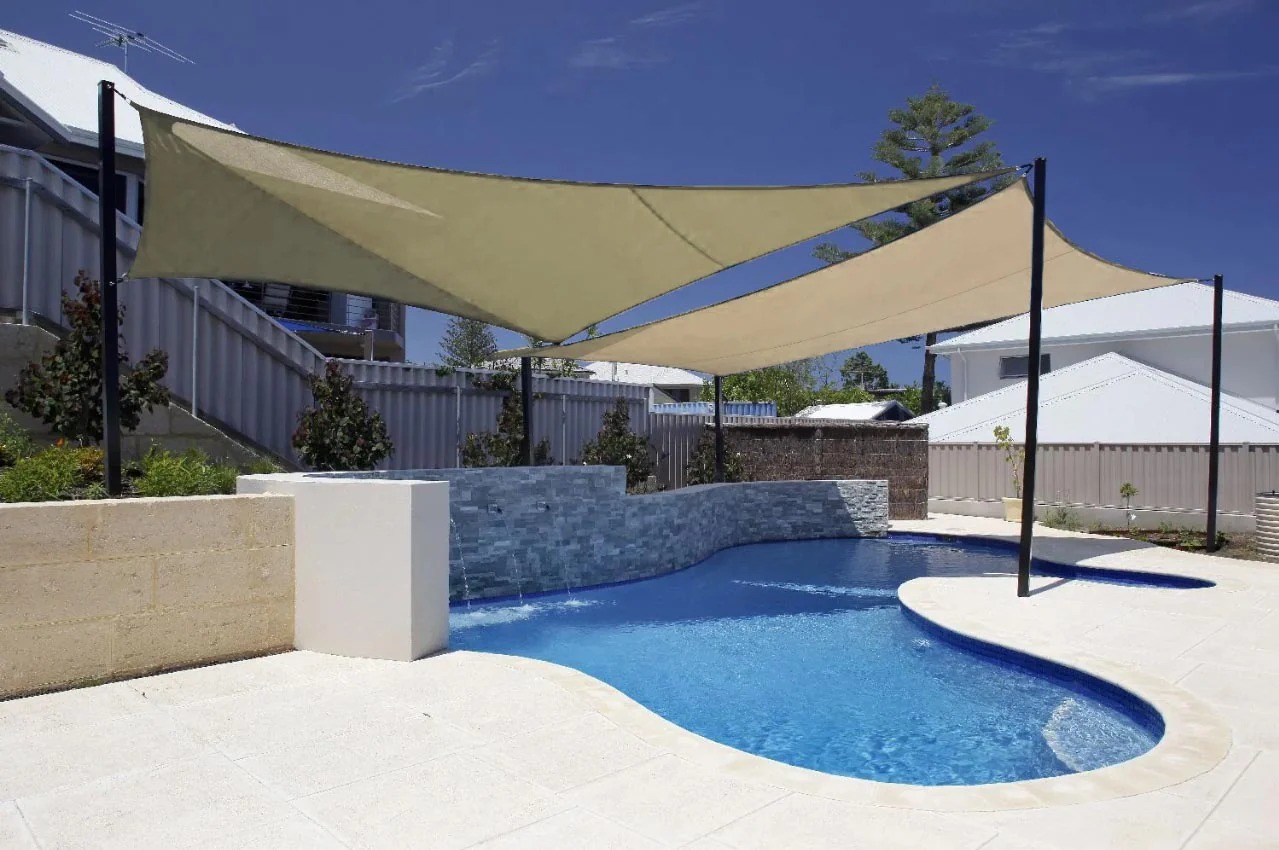
Another critical aspect is regular maintenance and cleanliness within common areas such as lobbies, hallways, elevators, gyms or swimming pools if available; keeping these spaces tidy not only promotes hygiene but also sets an example for individual units’ upkeep by demonstrating commitment towards preserving overall quality standards throughout premises thus indirectly encouraging occupants’ compliance too!
Lastly yet importantly: technology has become increasingly useful tool aiding managers maintain orderly conditions through surveillance systems monitoring security breaches unauthorized access points etc., while digital platforms streamline processes like rent payments service requests thereby enhancing efficiency transparency accountability across board making sure nothing slips cracks unnoticed unattended potentially leading chaos disorder further down line consequently detracting peaceful coexistence desired outcome originally intended when first establishing operational framework governing structure itself! Ultimately though success lies collective effort willingness cooperate amongst all stakeholders involved working together achieve goal creating pleasant safe enjoyable place call home every day alike without exception whatsoever regardless circumstances encountered along journey ahead…